Any parent with school-age kids has been here before. After a long summer of camps, vacation, and lots of other fun, they get back to school and it becomes a whole thing. They haven't read anything in forever and aren't willing to even try. I remember once it took my daughter about a month to get back into the groove. Never again, I said. Now every summer I make a point that we still read every single night. It doesn't need to be a chore, though. It's been easiest when it's fun and they're reading things they're genuinely interested in. Here is a list of all the books that strike that perfect blend between keeping those reading skills fresh and being entertaining for the kids.
Bookshop links are affiliate links. If you buy through them, I earn a small commission at no extra cost to you — and Bookshop supports indie bookstores.
Grades K to 1: Rising Readers
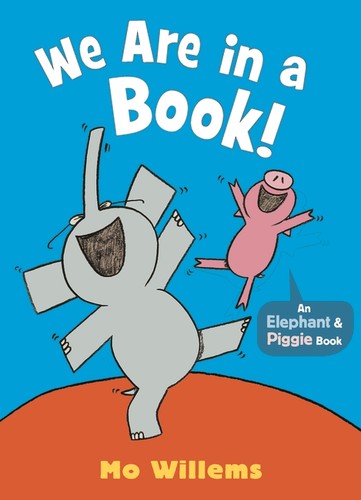
Elephant & Piggie: We Are in a Book!
by Mo Willems
Ages 4–8 · picture book · 2010 · ★ 4.58
🏅 Theodor Seuss Geisel Honor
Willems breaks the fourth wall so gently that your early reader won't notice they're learning about narrative structure while laughing at Piggie's existential dread about page endings.
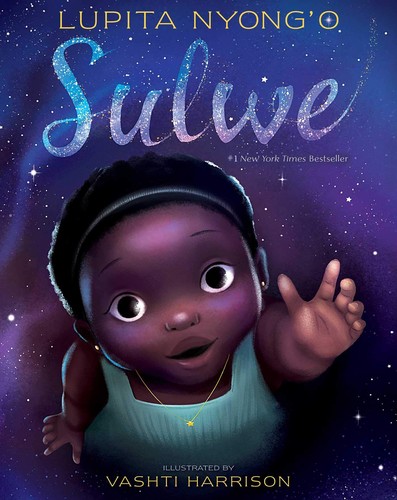
Sulwe gently dismantles colorism through a girl's nighttime journey to the stars, trading shame for self-acceptance in a way that feels earned rather than preachy.
A Chair for My Mother works because the payoff (one beautiful chair) feels earned through actual saving, not magic, which teaches kids that comfortable things require patient teamwork.
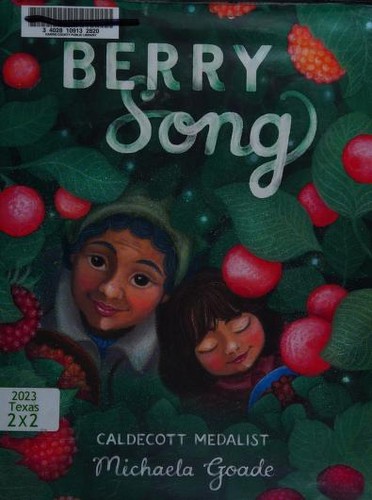
A Tlingit girl learns berry gathering as a language with her grandmother, trading the usual "respect nature" lecture for actual reciprocal conversation with the land.
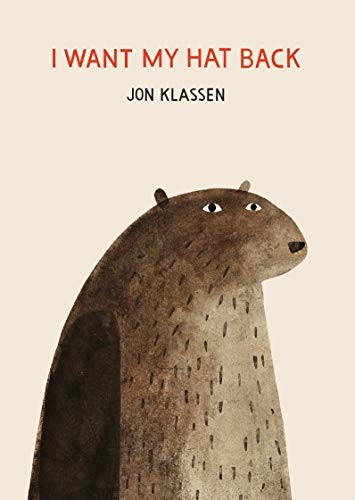
Bear asks every forest creature about his hat with increasing desperation, and the punchline lands harder when you realize one animal was lying the whole time.
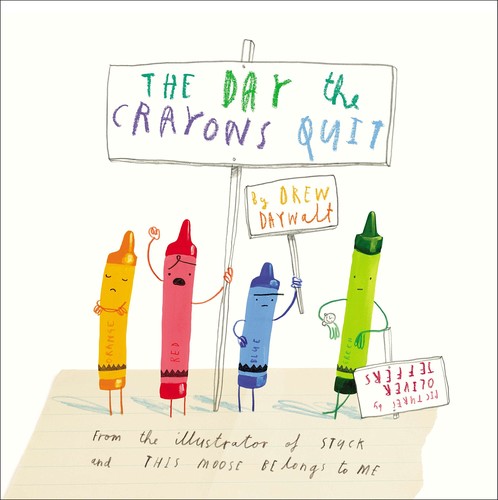
Duncan's crayons unionize with hilariously petty grievances, teaching kids that even art supplies have feelings, though the humor lands harder with adults than four-year-olds.
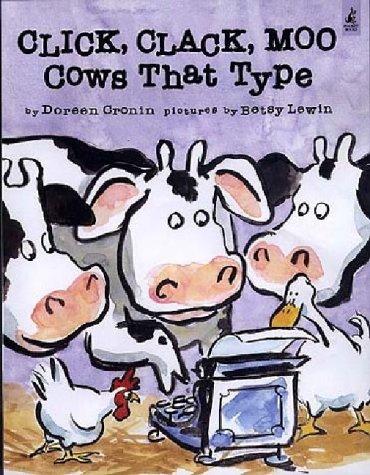
The cows unionize via typewriter in this genuinely funny farm revolt where labor negotiation beats slapstick, making it the rare picture book that rewards rereading.
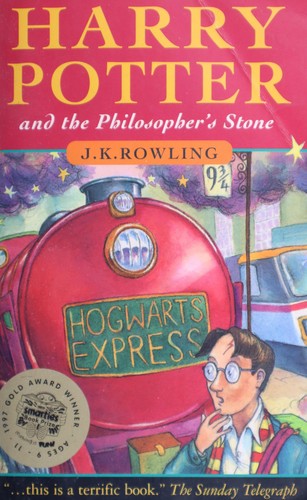
Harry discovers he's a wizard and gets whisked to boarding school where the real plot doesn't kick in until act three, but the world-building does the heavy lifting until then.
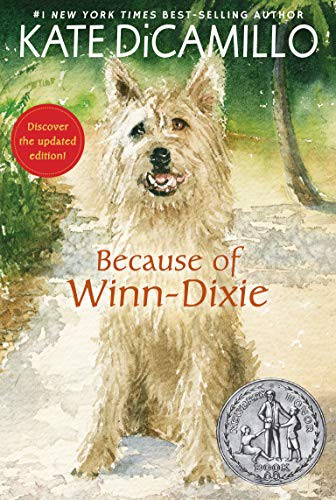
Johannes the dog narrates a surprisingly earnest story about befriending an anxious kid, swapping the usual dog-book cuteness for actual emotional stakes and problem-solving.
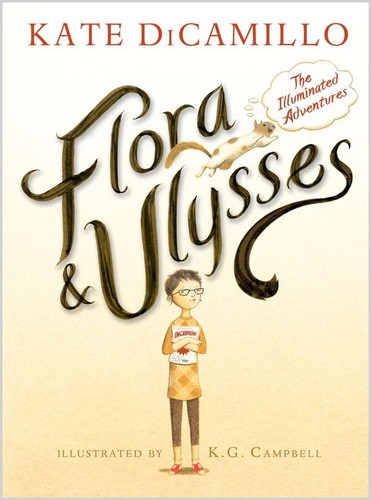
Flora and Ulysses: The Illuminated Adventures — Kate DiCamillo
Ages 8–12 · middle grade · 2013 · ★ 3.87
🏅 Newbery Medal
Flora's a pint-sized cynic who adopts a superpowered squirrel and learns that saving something broken might save you too, told with genuine heart beneath the snark.
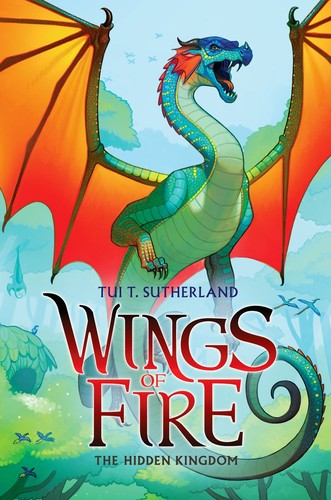
The Hidden Kingdom (Wings of Fire, #3) — Tui T. Sutherland
Ages 8–12 · middle grade · 2013 · ★ 4.58
Glory finally gets her moment in book three, and Sutherland uses it to explore why feeling invisible within your own tribe might be worse than facing actual enemies.
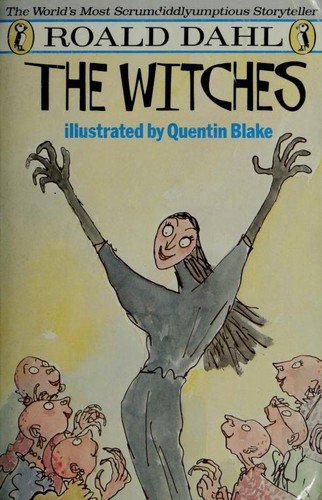
Dahl trades cozy grandmother vibes for genuinely unsettling witch lore, then subverts it with a scrawny kid who wins through persistence rather than magic or muscle.
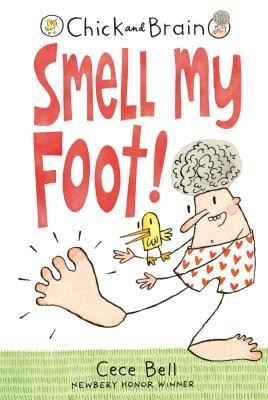
Chick enforces playground etiquette while Brain commits social crimes, and the early reader format somehow makes rudeness genuinely hilarious instead of obnoxious.
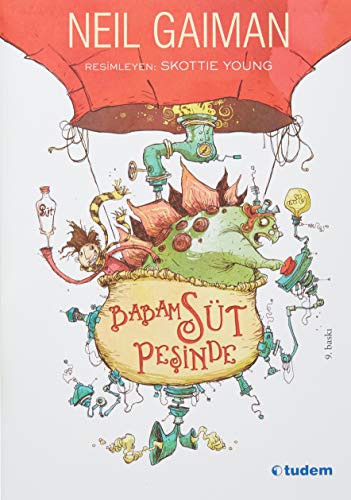
Gaiman turns a missing milk carton into a gloriously absurd time-travel romp where your kids learn that dad's excuses might actually contain dinosaurs and Victorian time machines.
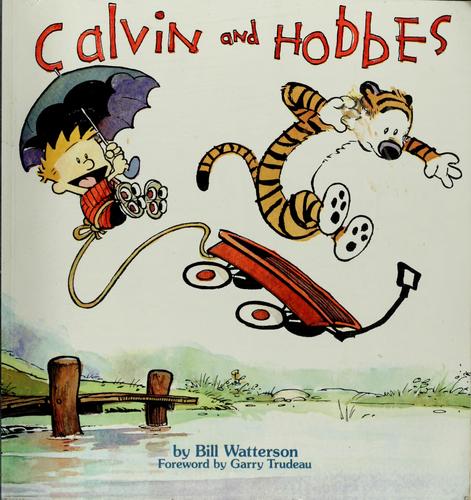
Calvin's anarchic inner life and Hobbes's deadpan enablement create a comic strip that's actually funny for adults, which your kid will appreciate once they're old enough to get the joke.
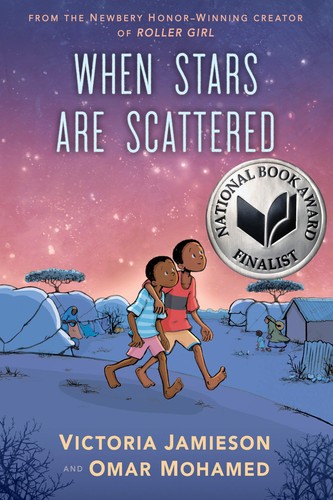
When Stars Are Scattered — Victoria Jamieson, Omar Mohamed
Ages 10–14 · middle grade · 2020
🏅 National Book Award — Young People's Literature
Omar's decades-long limbo in Dadaab feels less inspirational-poster resilience and more like the grinding, bureaucratic reality of displacement, which hits harder than feel-good narratives usually do.
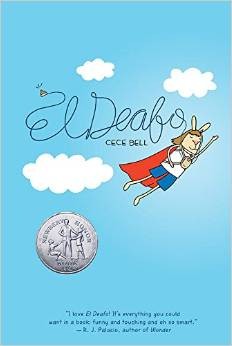
Cece Bell turns her hearing aid into a superhero origin story, which is both genuinely funny and a relief from the usual inspiration-porn disability narrative.
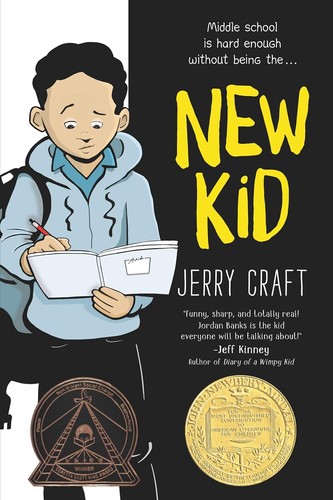
Jordan's stuck at a mostly-white prep school that doesn't get his art or his Blackness, and Craft nails both the daily micro-aggressions and the actual joy of finding your people anyway.
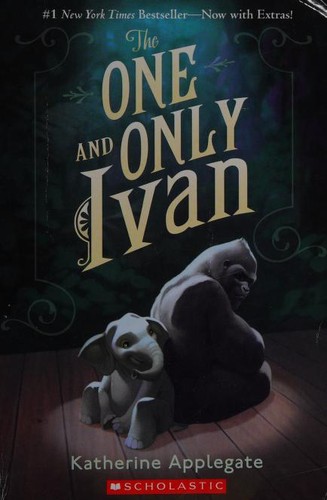
Ivan's slow awakening from captive complacency into moral reckoning works better than it has any right to, mostly because Applegate trusts kids to sit with sadness.
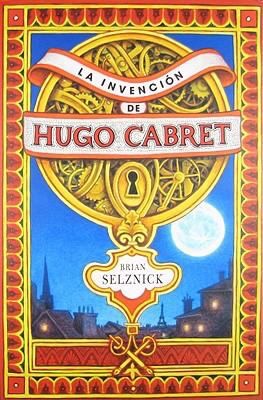
The pencil drawings are genuinely gorgeous and do half the storytelling work, but the 284-page middle stretch tests whether your kid will tolerate slow-burn mystery over constant plot momentum.
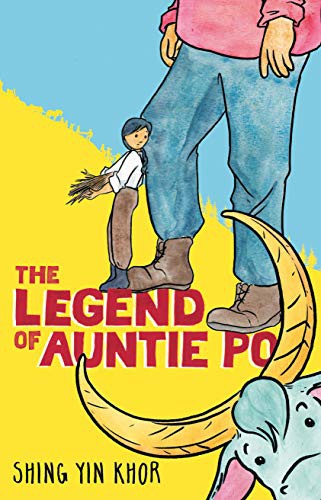
Mei rewrites Paul Bunyan as a Chinese logger in 1885, using tall tales as both escape and resistance during the Exclusion Act era, which honestly slaps harder than the original.
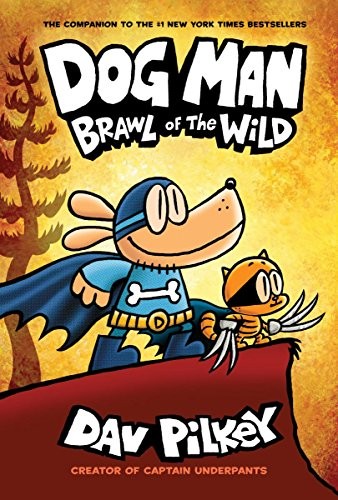
Dog Man: Brawl of the Wild: From the Creator of Captain Underpants (Dog Man #6) — Dav Pilkey
Ages 6–10 · chapter book · 2018
Dog Man's flip-o-rama animation gimmick wears thin by book six, but the potty humor and genuinely weird cat villains still land hard with six-year-olds who don't need plot coherence.
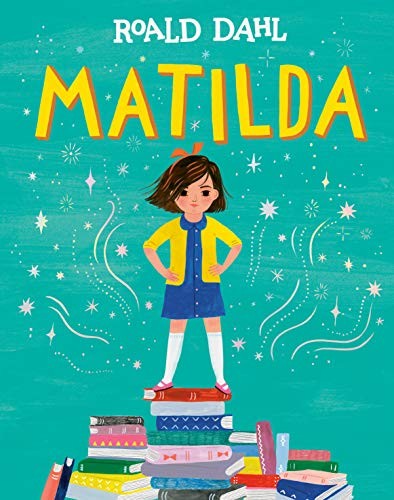
Matilda's a prodigy stuck with aggressively stupid parents, so she uses telekinesis to punish her headmistress, which tracks as either wish fulfillment or genuinely unhinged depending on your tolerance for Dahl's logic.
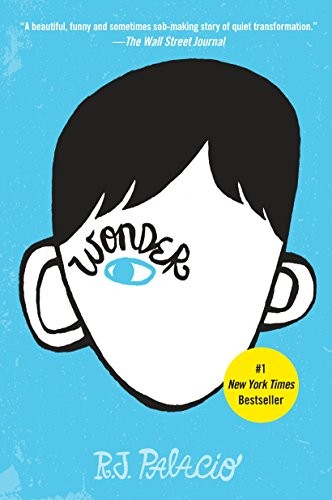
Auggie's face is the setup, not the story. Palacio writes a genuinely funny kid dealing with actual middle school politics, which lands better than the inspirational version you'd expect.
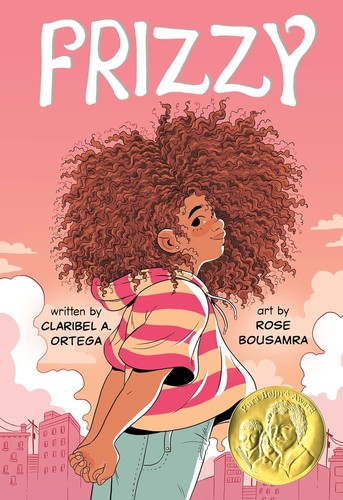
Marlene's battle with her curls and Dominican family expectations plays out in appealing watercolors, landing somewhere between relatable and saccharine for the self-acceptance crowd.
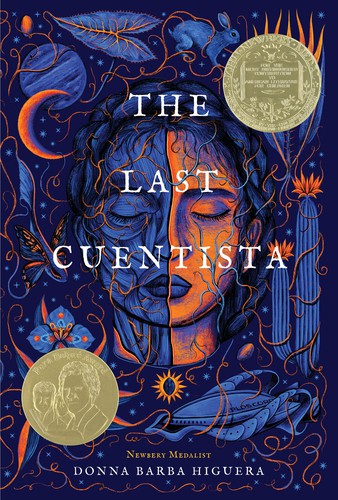
A generational ship sci-fi story where a girl's grandmother teaches her that storytelling itself is the resistance, which lands harder than the usual dystopian survival stuff.
Santat's memoir trades typical coming-of-age angst for quiet moments of European discovery, proving that personal growth rarely announces itself with fanfare.
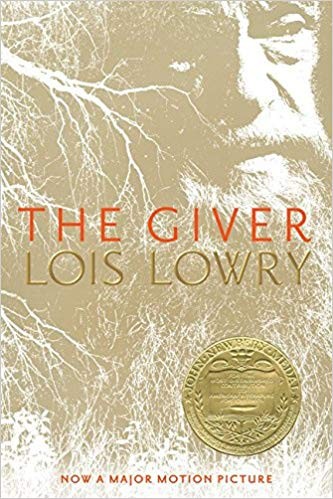
Jonas discovers his society's color-blind conformity is actually enforced amnesia, making this a blunt argument for messy individuality over sterile safety that still lands.
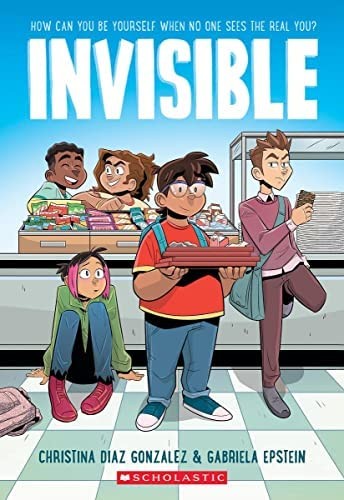
Invisible: A Graphic Novel — Christina Diaz Gonzalez
Ages 9–13 · middle grade · 2022
Five invisibly marginalized kids doing lunch detention discover they're all performing versions of themselves, which feels more honest than most middle-grade takes on belonging.
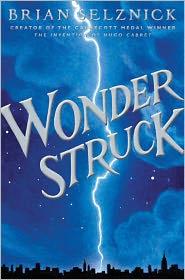
Two parallel stories, one words-only and one pictures-only, make you actively choose how to read depending on whose timeline you're in, which feels novelty-adjacent but mostly just works.
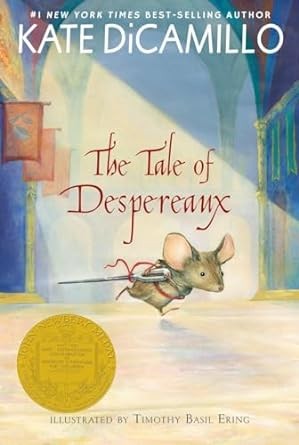
Despereaux works because DiCamillo trusts kids to sit with loneliness and forgiveness alongside the fairy-tale stuff, which feels rarer than it should be.