Every summer the same thing happens around here. School lets out, the good intentions come out with it, and somewhere around the second week of July the reading quietly stops. This is the list I put together to keep that from happening, sorted by grade so you are not scrolling past board books to find something for your fifth grader. None of it is homework. It is the kind of reading that happens because the story is good and the couch is comfortable, which is the only kind that ever sticks.
Bookshop links are affiliate links. If you buy through them, I earn a small commission at no extra cost to you — and Bookshop supports indie bookstores.
Grades K to 1: Rising Readers
For the kids still sounding out the words, and the ones happy to be read to. Short, warm, and built for laps and bedtimes.
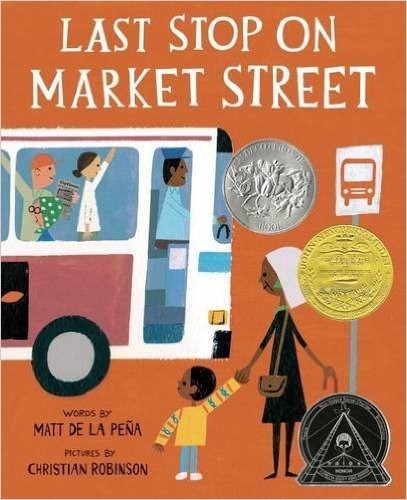
Last Stop on Market Street
by Matt de la Pena
Ages 4–8 · picture book · 2015 · ★ 4.26
🏅 Caldecott Honor
A boy and his grandmother ride the bus across town, and she keeps showing him how to find something beautiful in the ordinary stuff he wants to complain about.
Pick this one your kid asks a lot of why do we have to questions.
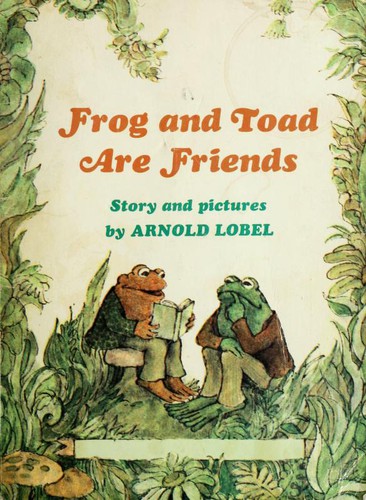
Frog and Toad works because it treats friendship as actual work: listening to complaints, finding lost buttons, showing up when someone's sad, not just vibing together.
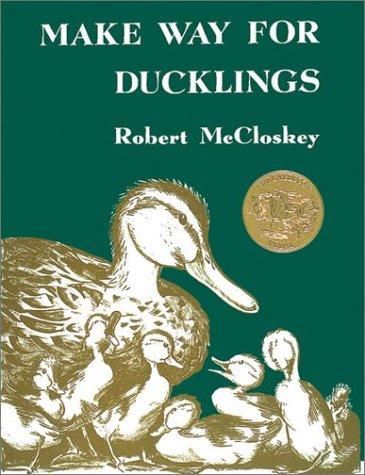
The ducks cross Boston with such stately purpose that kids don't notice McCloskey's actually teaching urban navigation and civic responsibility, which is sneaky parenting gold.
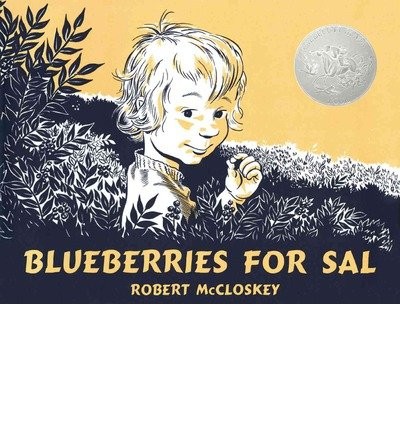
Sal and a bear cub accidentally swap mothers on opposite sides of a hill, teaching toddlers that hunger and family devotion look the same across species.
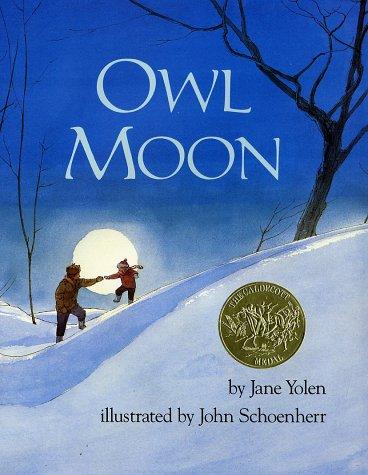
Owl Moon is basically a 30-minute winter hike with your kid condensed into pure companionable silence, which sells the dad-child bond better than any dialogue ever could.
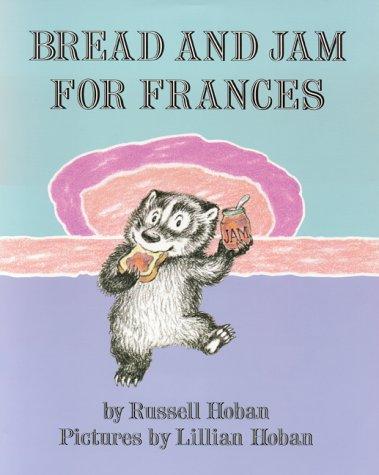
Frances's sandwich obsession works because the parent restraint is almost funny: they let her eat nothing but bread and jam until she gets bored, which actually teaches something without feeling preachy.
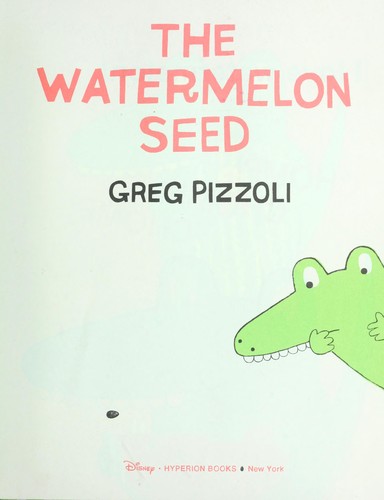
A neurotic crocodile catastrophizes about swallowing a watermelon seed with such specific, ridiculous dread that anxious kids will recognize themselves in his spiral.
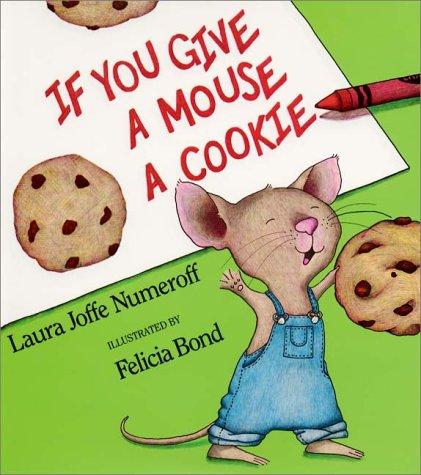
If You Give a Mouse a Cookie — Laura Joffe Numeroff
Ages 3–8 · picture book · 1985 · ★ 4.24
A circular chain-reaction story that teaches consequence through exhaustion, letting kids see exactly how one small favor snowballs into total household chaos.
First real chapter books, the kind a newly independent reader can finish and feel proud about. Still great out loud.
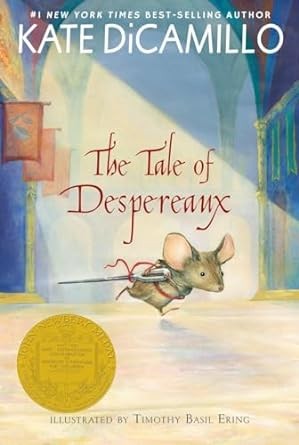
The Tale of Despereaux
by Kate DiCamillo
Ages 8–12 · middle grade · 2004 · ★ 4
🏅 Newbery Medal
A tiny mouse with enormous ears refuses to act afraid, and his stubborn courage ends up tangling together a princess, a rat, and a girl who wishes she were one.
Pick this one you want a read-aloud that sounds like a fairy tale and reads like one too.
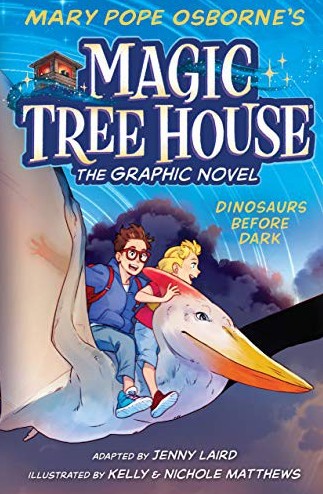
Jack and Annie's treehouse portal to the Cretaceous works because the dinosaur facts stay grounded while the magic stays breezy, making it the perfect gateway drug to chapter books.
🏅 National Book Award — Young People's Literature Honor
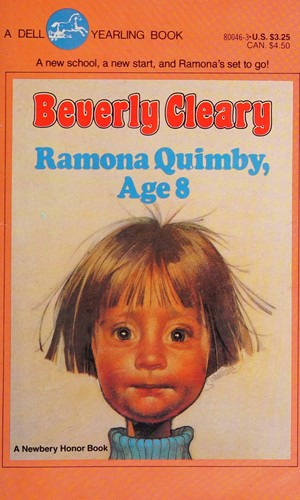
Ramona's bus rides and after-school babysitting duties feel genuinely tedious in ways that make her small rebellions deeply satisfying, which is basically parenting in book form.
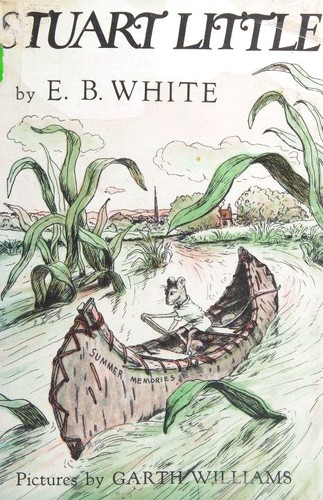
Stuart Little works because White treats a mouse-sized protagonist with genuine dignity instead of cutesy condescension, making his small-scale problems feel legitimately consequential.
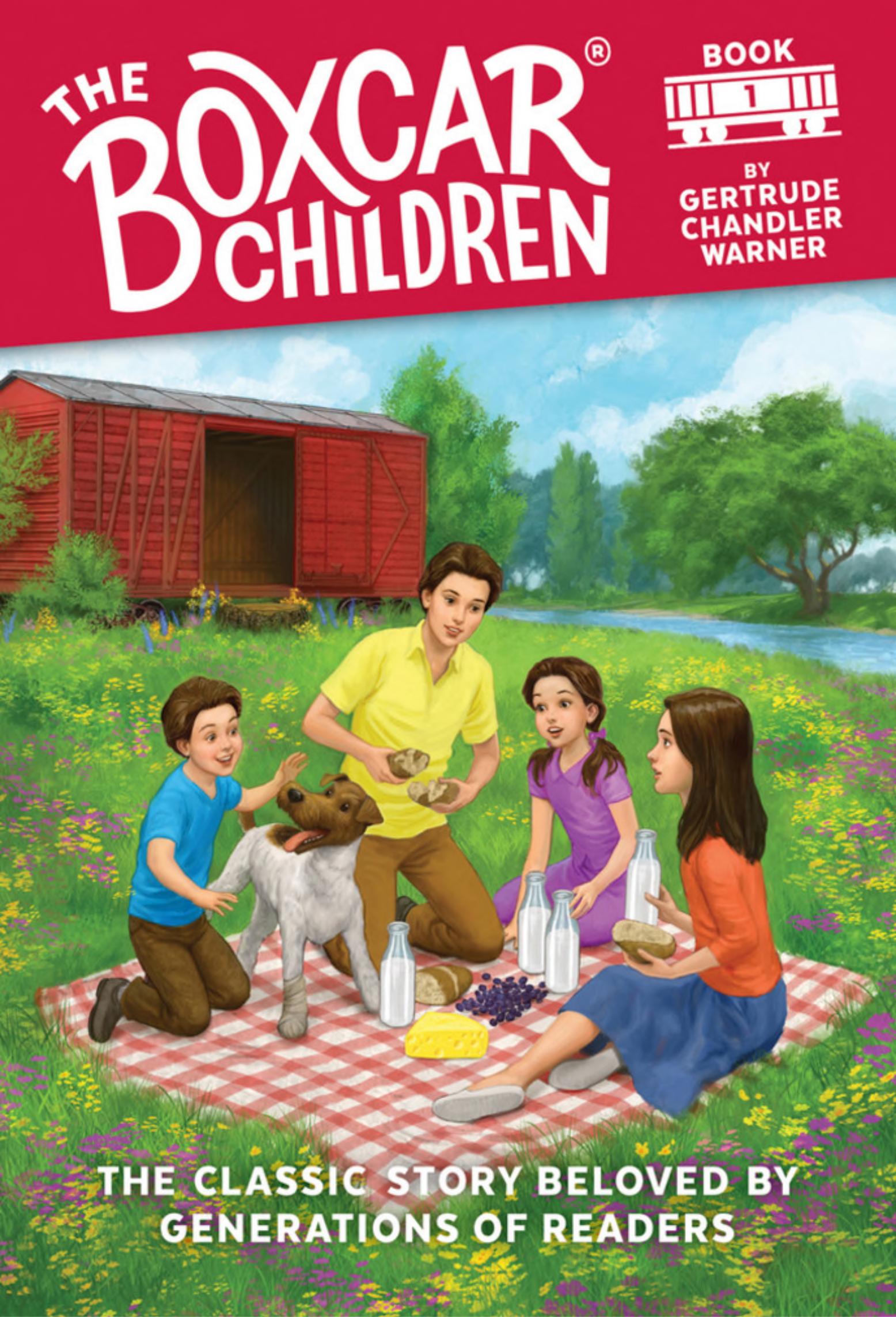
The Boxcar Children trades cozy self-sufficiency for actual stakes once illness enters, making this less escapist fantasy and more meditation on fragile independence.
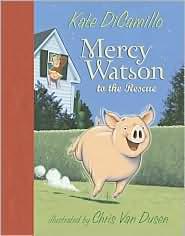
Mercy Watson to the Rescue (Mercy Watson #1) — Kate DiCamillo
Ages 5–9 · picture book · 2013 · ★ 4.02
A pig crashes through a bed and everyone survives, which is exactly the reassuring chaos kids need before sleep, though your mattress warranty just got nervous.
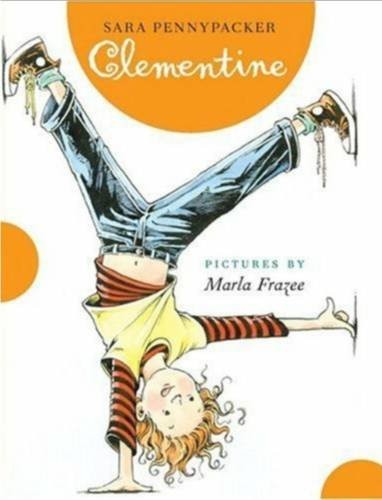
Clementine's chaotic week of small disasters and social fallout reads like watching your kid's impulsive decisions spiral in real time, which is both funny and genuinely uncomfortable.
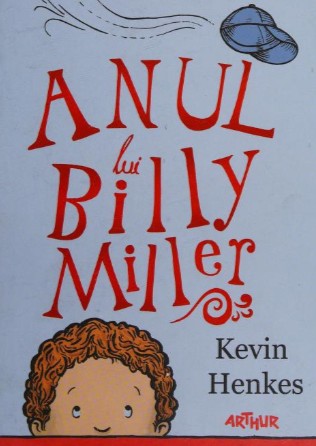
Billy Miller gets the small-stakes realism right: teacher crushes, sibling annoyances, and the specific mortification of messing up at school, all told with genuine humor instead of manufactured cuteness.
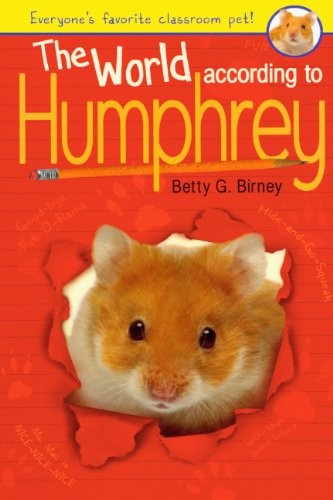
The World According to Humphrey (According to Humphrey, #1) — Betty G. Birney
Ages 7–11 · middle grade · 2004 · ★ 4.08
Humphrey's weekend sleepovers with classmates let him solve actual kid problems from a hamster's perspective, which is surprisingly effective at making empathy feel less preachy.
Meatier stories with real stakes and real feelings, for readers who can disappear into a book for an afternoon.
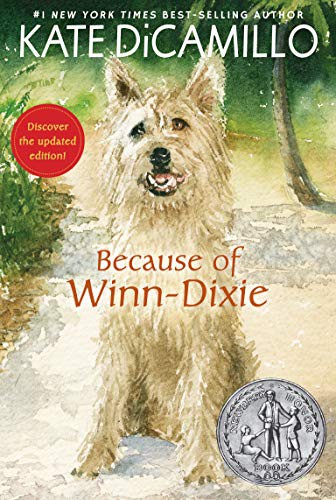
Because of Winn-Dixie
by Kate DiCamillo
Ages 8–12 · middle grade · 2000 · ★ 4
🏅 Newbery Honor
A lonely girl adopts a scruffy dog from a grocery store, and over one summer in a small Florida town the two of them slowly collect a whole family of misfits.
Pick this one you want a good cry the whole family can have together.
A portal-fantasy that nails the "siblings bickering then bonding" dynamic while treating magical stakes seriously, though the pacing drags in the middle act.
Nick invents a word to mess with his dictionary-obsessed teacher, starts a genuinely funny linguistic prank war, and accidentally proves language is a democracy not a dictatorship.
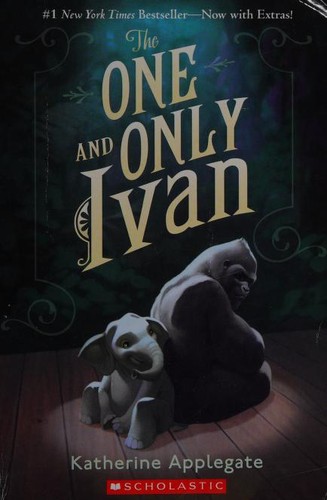
Ivan's slow awakening from captive complacency into moral reckoning works better than it has any right to, mostly because Applegate trusts kids to sit with sadness.
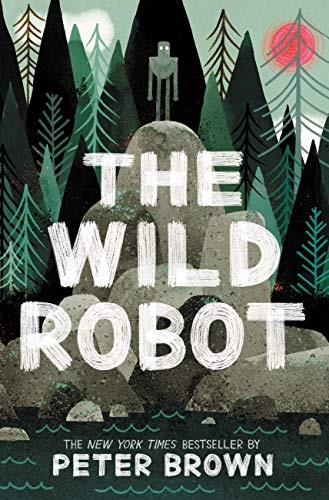
Roz the robot learns parenting from island animals through trial and error, which is basically what we're all doing anyway, just with better waterproofing.
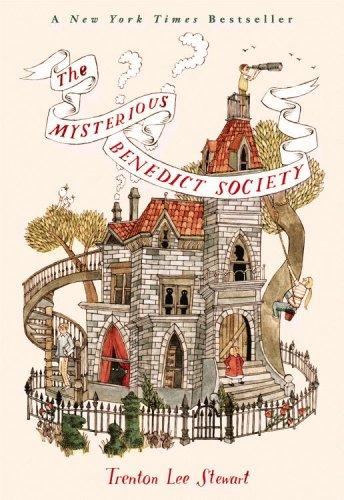
The Mysterious Benedict Society — Trenton Lee Stewart
Ages 9–13 · young adult · 2007 · ★ 4.14
Four gifted kids solve puzzles alongside readers, then infiltrate a suspicious institute in a mystery that respects your intelligence without being insufferably smug about it.
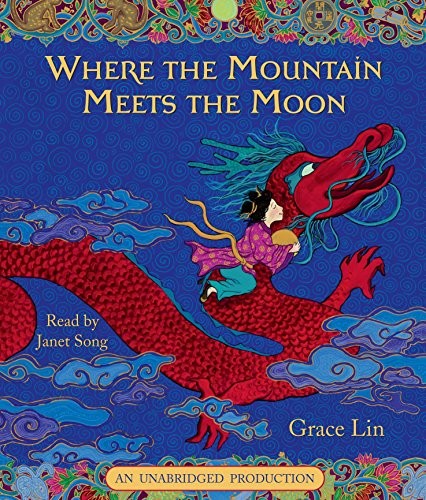
Minli's quest to find the Old Man of the Moon works because Lin treats the magical world as real geography, not a metaphor, making the actual hard slog feel earned.
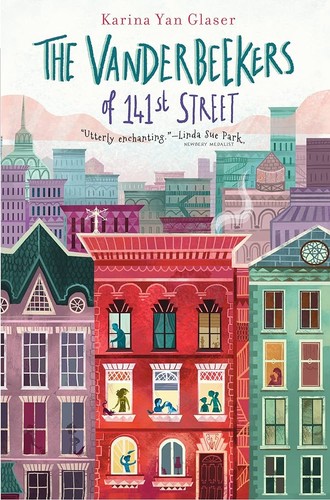
The Vanderbeekers of 141st Street — Karina Yan Glaser
Ages 8–12 · middle grade · 2017 · ★ 4.43
The Vanderbeeker kids spend eleven days executing an increasingly elaborate landlord-softening campaign that somehow avoids feeling manipulative because the family's chaos is genuinely lovable.
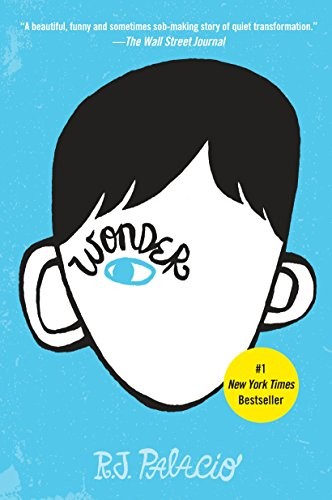
A boy with a facial difference starts fifth grade at a regular school for the first time, and an ordinary year quietly turns into a lesson in kindness for everyone around him.
Pick this one you want one book that leaves the whole family a little kinder.
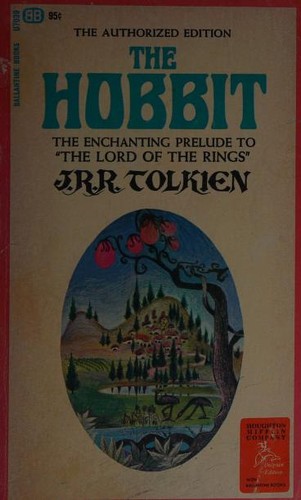
The Hobbit : or There and Back Again — J.R.R. Tolkien
Ages 10–18 · young adult · 1937 · ★ 4.25
Bilbo's reluctant hero arc still holds up because Tolkien lets him be genuinely uncomfortable with adventure, not just temporarily scared before the inevitable heroics kick in.
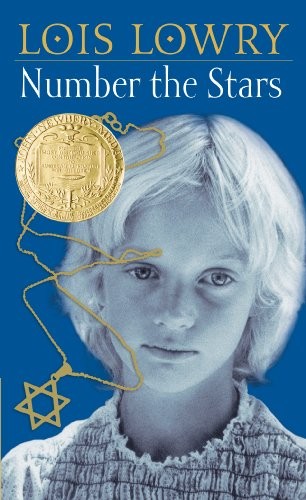
Annemarie's quiet heroism in occupied Denmark proves that ten-year-olds can grasp moral complexity without the story needing to lecture, which honestly beats most modern historical fiction for kids.
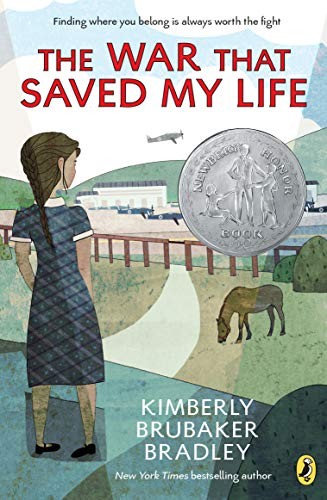
The War That Saved My Life — Kimberly Brubaker Bradley
Ages 9–13 · chapter book · 2015 · ★ 4.4
🏅 [object Object]
Ada's clubfoot and her mother's cruelty matter equally here, making this less a WWII story and more a quiet excavation of how a kid learns she's worth something.
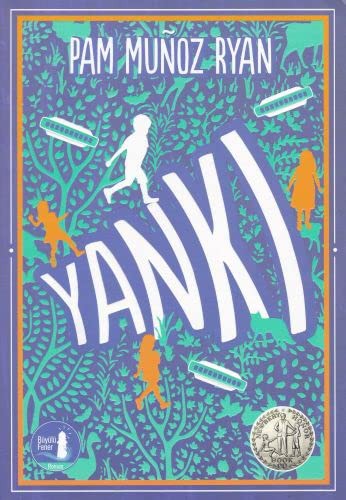
Ryan threads four kids across continents and decades through one harmonica, which is either a satisfying magical connective tissue or occasionally feels like a plot device doing too much work.
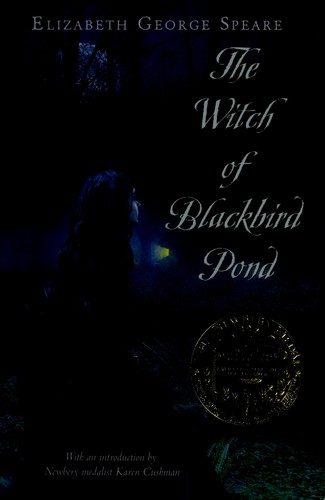
The Witch of Blackbird Pond — Elizabeth George Speare
Ages 12–16 · young adult · 1958 · ★ 3.97
🏅 Newbery Medal
Kit's struggle against Puritan rigidity in 1600s Connecticut feels more about conformity pressure than actual witchcraft, which might disappoint kids expecting supernatural stakes.
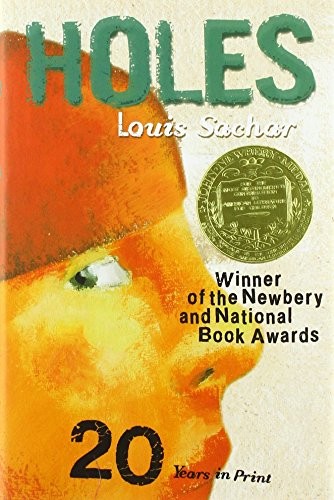
Stanley's curse unravels through interlocking timelines and literal hole-digging, building genuine mystery while somehow making manual labor feel like the point of the whole thing.