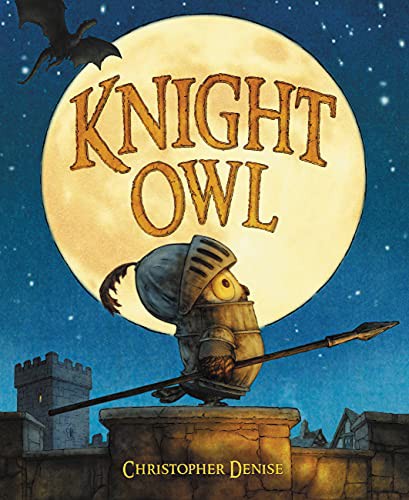
Knight Owl
🏅 Caldecott Honor
Knight Owl scratches the itch for pint-sized heroes in oversized armor, though the dragon conflict resolves so tidily it borders on anticlimactic.
The new favorites worth discovering, sorted by grade.
We read A LOT of classic children's books around the Bookish Dad household. They are classics for a reason and they're the books at the top of my mind when I'm giving book recommendations. However, nothing feels better than reading a newly published book that you just know will one day become a classic like those books. It's time these books got the attention they deserve so here is a list of the best books of the last 5 years by grade.
Bookshop links are affiliate links. If you buy through them, I earn a small commission at no extra cost to you — and Bookshop supports indie bookstores.
Knight Owl scratches the itch for pint-sized heroes in oversized armor, though the dragon conflict resolves so tidily it borders on anticlimactic.
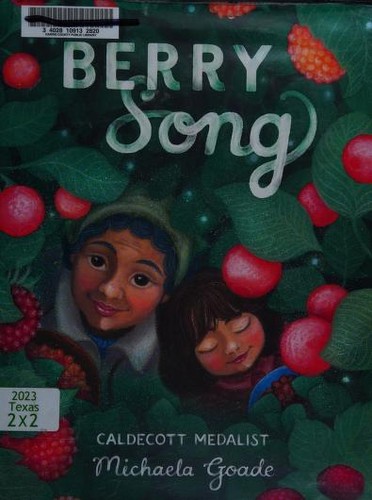
A Tlingit girl learns berry gathering as a language with her grandmother, trading the usual "respect nature" lecture for actual reciprocal conversation with the land.
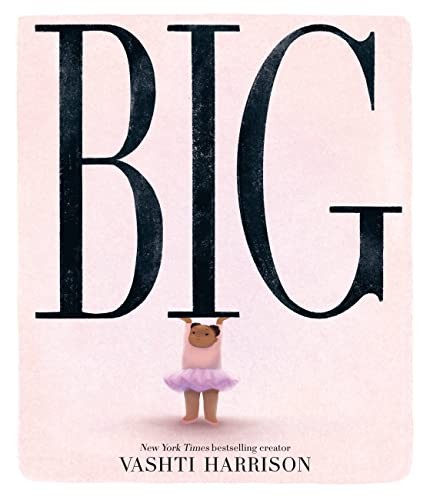
A girl gets praised for being "big" until puberty makes that word sting, then learns the actual lesson: you're not the problem, the moving goalpost is.
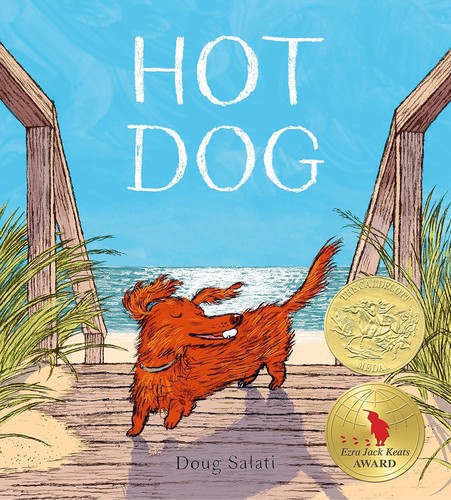
A overheated dog literally melts into a puddle, then gets fixed by the ocean, which is a genuinely smart visual metaphor for overwhelm that actually works on toddlers.
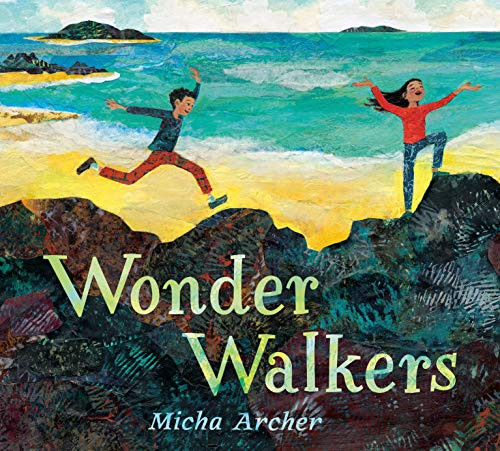
Micha Archer's collages make nature observation feel like solving visual riddles, which works if your kid's the curious type but might overwhelm the distracted ones.
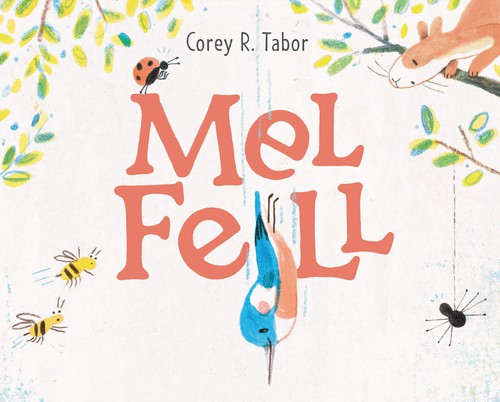
Mel Fell is a literal falling-bird story where the anxiety of the plunge matters more than the inspirational landing, which feels honest for kids actually scared of failure.
A cat sabotages the chore list by literally scrambling the instructions, turning household chaos into the actual plot instead of a cautionary moral about responsibility.
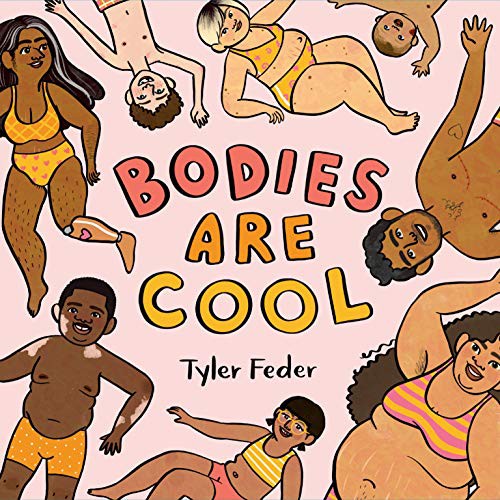
Bodies Are Cool celebrates actual bodily diversity without the preachy undertone, letting kids see themselves reflected through Feder's genuinely joyful illustrations rather than tokenistic representation.
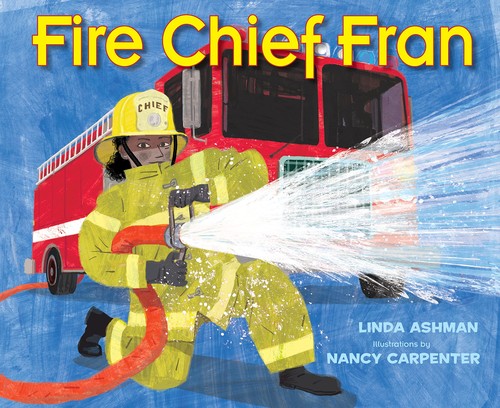
Fran's crew moves fast through rhyming chaos, but the real hook is watching a fire chief actually lead competently, which kids and tired parents both need to see.
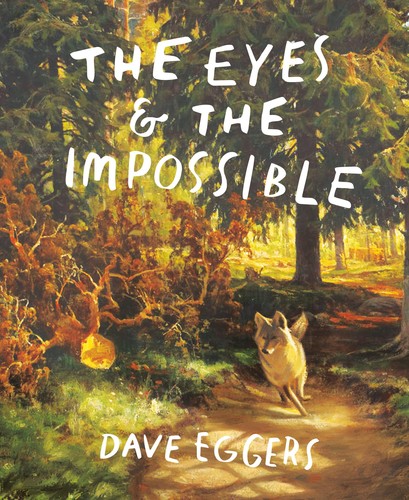
Johannes the dog narrates a surprisingly earnest story about befriending an anxious kid, swapping the usual dog-book cuteness for actual emotional stakes and problem-solving.
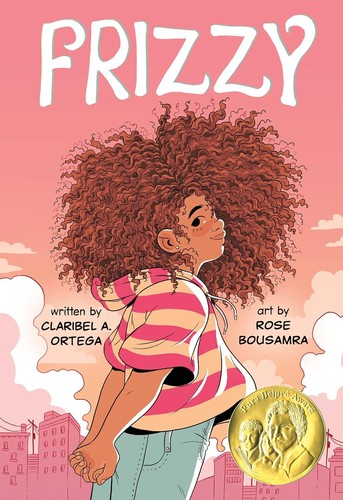
Marlene's battle with her curls and Dominican family expectations plays out in appealing watercolors, landing somewhere between relatable and saccharine for the self-acceptance crowd.
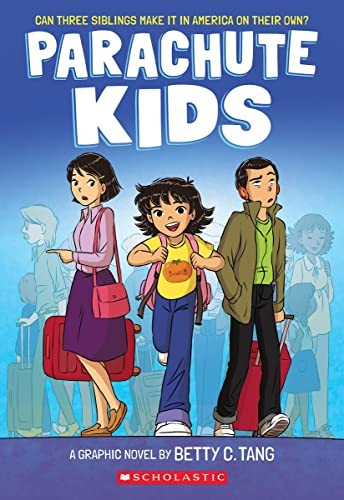
Tang's graphic novel threads humor through the genuine loneliness of kids navigating America unsupervised, making resilience feel earned rather than inspirational-poster material.
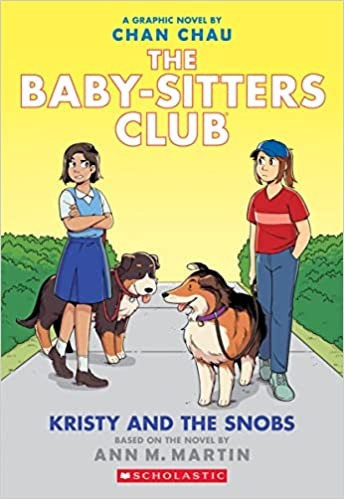
The Baby-sitters Club takes on neighborhood bullies targeting a blind dog, proving that loyalty to your pet beats social hierarchy every single time.
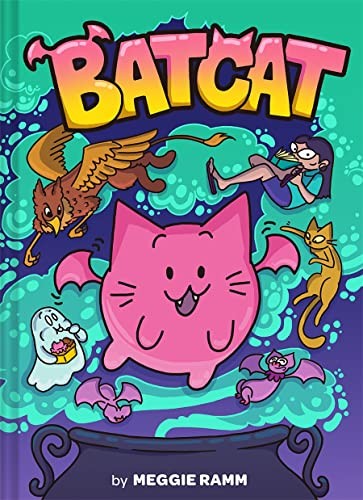
Batcat uses a grumpy loner forced into friendship as cover for teaching acceptance, which lands better than most picture books because the resistance feels genuinely earned.
Ice Cream Soup uses rhyme and repetition to make the chaos of over-decorated desserts feel inevitable rather than cautionary, which tracks for how kids actually think.
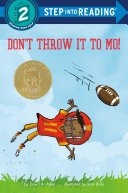
Mo's undersized and drops passes early, but the coach's strategy actually makes him useful instead of just giving him participation trophy vibes.
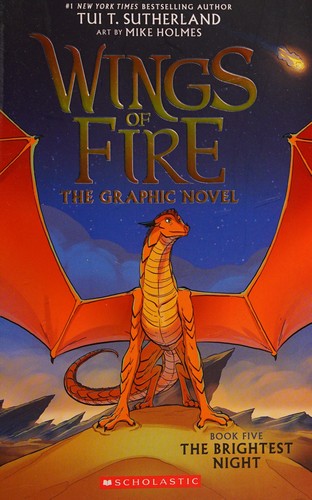
Sunny gets the existential crisis the prophecy deserves, trading destiny for actual agency, which is both emotionally heavier and more satisfying than the setup promised.
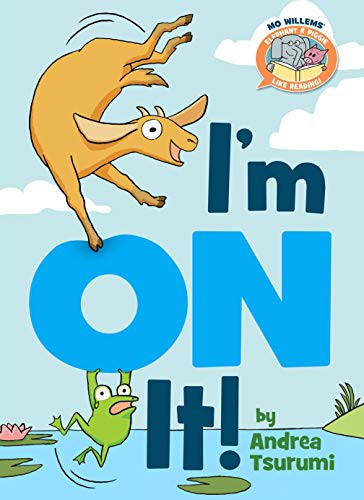
Frog and Goat's competitive spiral is funny enough that your kid won't notice you're reading a lesson about knowing when to quit.
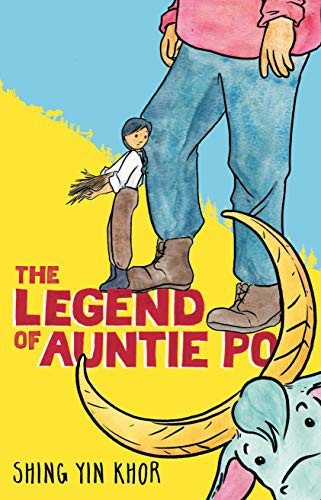
Mei rewrites Paul Bunyan as a Chinese logger in 1885, using tall tales as both escape and resistance during the Exclusion Act era, which honestly slaps harder than the original.
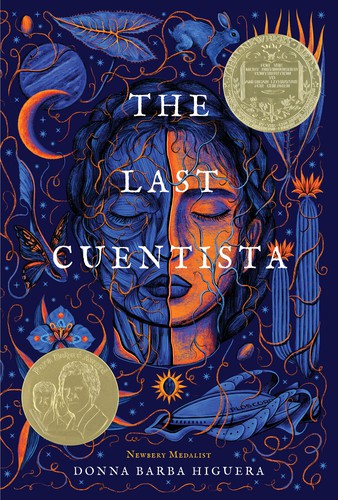
A generational ship sci-fi story where a girl's grandmother teaches her that storytelling itself is the resistance, which lands harder than the usual dystopian survival stuff.
Santat's memoir trades typical coming-of-age angst for quiet moments of European discovery, proving that personal growth rarely announces itself with fanfare.
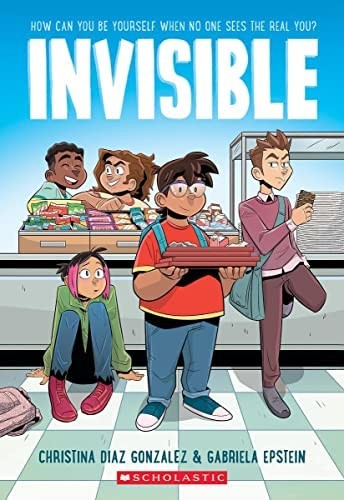
Five invisibly marginalized kids doing lunch detention discover they're all performing versions of themselves, which feels more honest than most middle-grade takes on belonging.
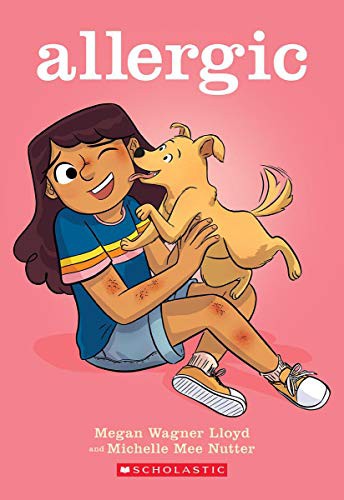
Maggie's dog allergy becomes a graphic novel about finding your place when your family's too busy to notice, which is more honest than most pet books.
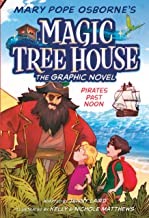
The magic tree house franchise finally gets a graphic novel adaptation that actually justifies the conversion, trading expository dialogue for visual action without losing the educational scaffolding.
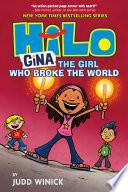
Gina gets the spotlight in this pivot that swaps sci-fi robots for magic systems, which works better than you'd expect if you're tired of the formula.
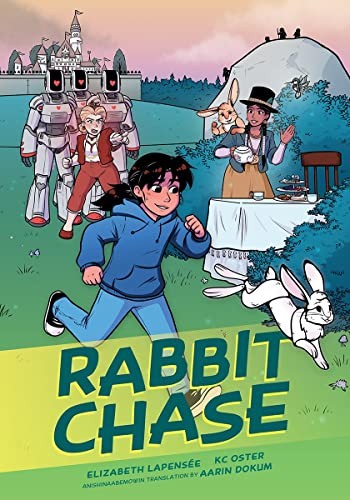
Lapensee riffs on the Wonderland template by centering Anishinaabe storytelling and a non-binary protagonist navigating both spirit world and middle school awkwardness simultaneously.
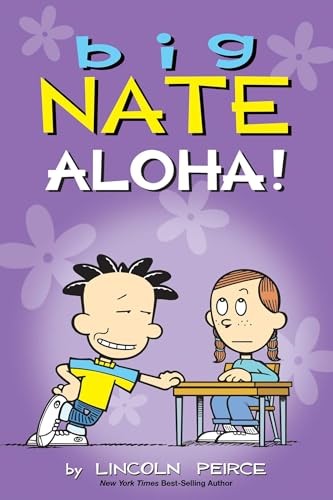
Nate goes to Hawaii and somehow still ends up in detention, which tracks, though the tropical setting feels like an excuse to recycle the same prank-week formula.
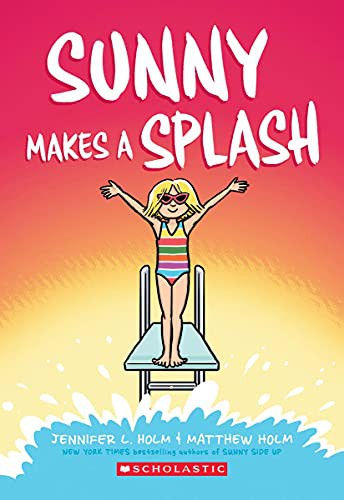
Sunny's summer job at the pool gives her actual stakes to worry about, which beats the moping, though the romance subplot feels obligatory rather than earned.
Eyewitness Hurricane and Tornado delivers the visceral cross-sections and cutaway diagrams that make weather systems feel less abstract, though the dense information dumps might overwhelm younger readers without scaffolding.
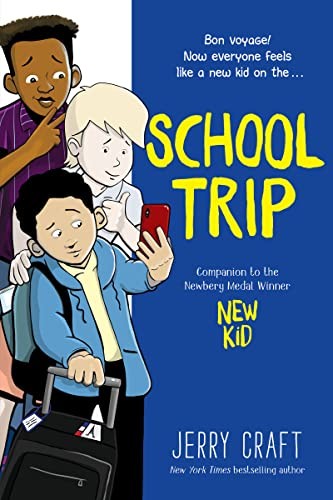
Craft's graphic novel captures the actual chaos of herding kids on a bus without being smug about it, letting the humor come from genuine character moments rather than talking-down jokes.
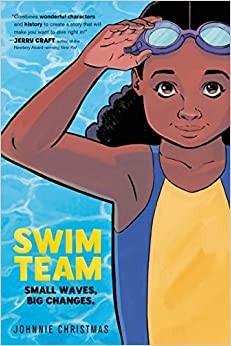
Johnnie Christmas nails the specific awkwardness of middle school swim team without making it maudlin, which means your kid might actually see themselves here.
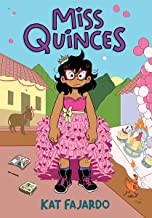
Sue's refusal to care about her quinceañera feels earned rather than preachy, and Fajardo's art captures that specific exhaustion of disappointing people who actually love you.
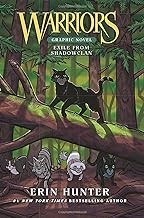
Graphic novel adaptation gives Warriors fans the vivid action they crave, though the exile plot feels like a greatest-hits remix rather than essential new territory.
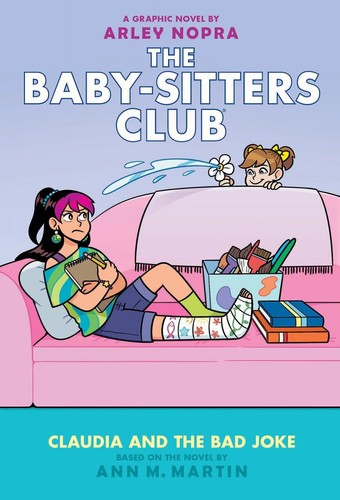
Claudia breaks her leg thanks to a prank, which kicks off a revenge plot that's less about teaching Betsy a lesson and more about the Baby-Sitters Club being petty, honestly.
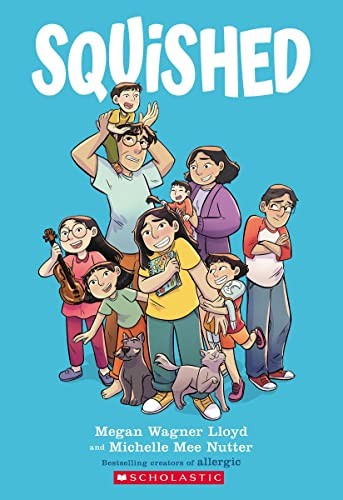
Avery's need for alone time in a house of nine kids feels genuinely earned, and the graphic novel format actually lets you see her shrinking into the crowd instead of just reading about it.
Want something more specific? Try our book finder — filter by age, format, and what your kid actually likes.
Open the book finder →Millennial dad in the PNW. Reading aloud with my daughter (8) and son (4). Honest takes on the books we actually read at bedtime.
About me →Sorted by grade band so you can skip straight to your kid.
And refuses to read anything else, ever.
No refunds. (Including one you've never heard of.)
Every curated list in one place.